
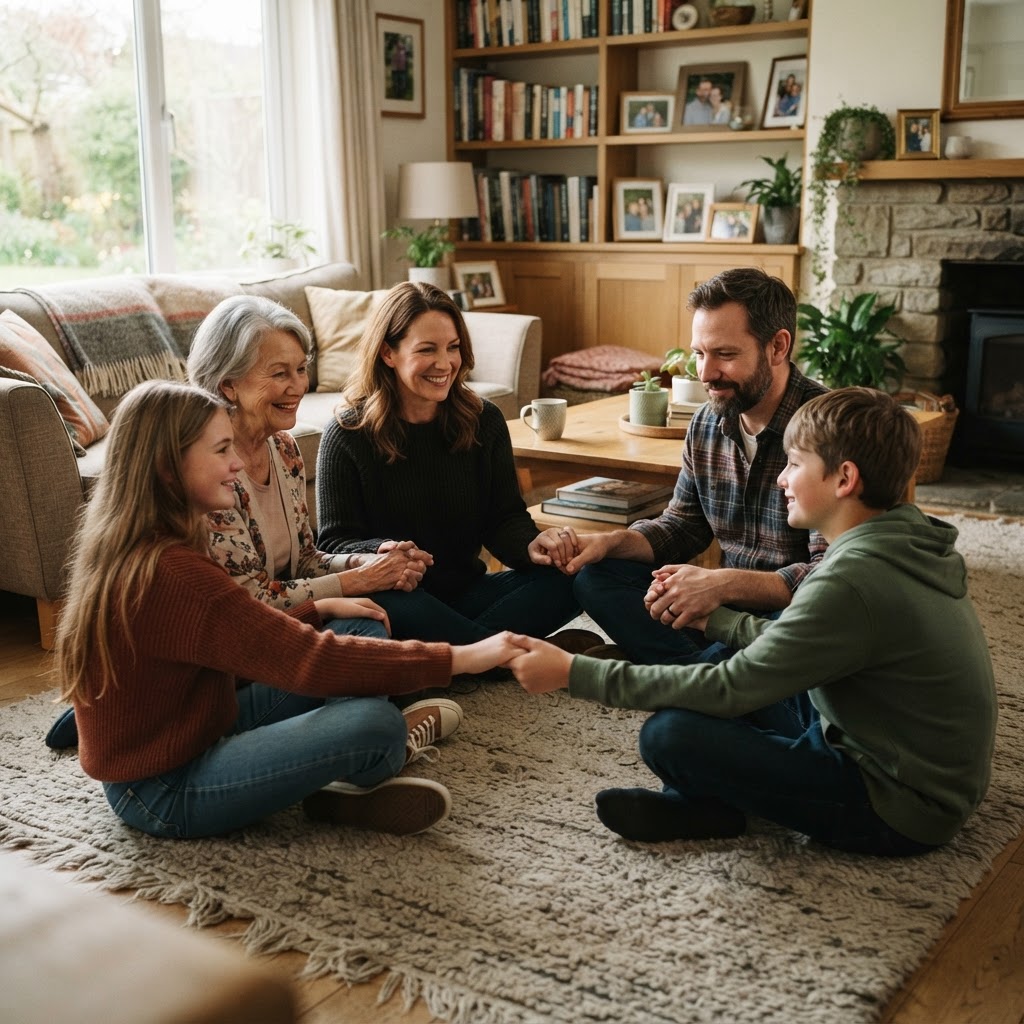
Watching someone you love struggle with opioid addiction can feel like standing on a shore watching them drift further away. You feel helpless, frightened, and unsure of how to pull them back to safety. Knowing how to stage an intervention for opioid addiction is not about staging a "surprise attack" or backing your loved one into a corner; it is about creating a structured, loving space where the reality of the situation is met with a clear, immediate pathway to help. At Pink Chances Med Corp in Tujunga, we believe that connection is the antidote to the isolation of addiction.
1. Gather Your Support Team
The first step is identifying who should be present. You want people who are genuinely concerned, emotionally stable, and capable of maintaining a calm demeanor. Avoid individuals who may be prone to anger or who have a fractured relationship with your loved one. If you feel overwhelmed, consider hiring a professional interventionist. These experts are trained to navigate the complex family dynamics that often accompany substance use disorders in areas like the San Fernando Valley.
2. Research Treatment Options Beforehand
Never start an intervention without a concrete plan. If your loved one says "yes" to help, you must be ready to act instantly. Whether it involves starting Medication-Assisted Treatment or scheduling a medical screening to assess physical health, having a facility lined up is critical. A delay of even a few hours can allow the window of willingness to close. Reach out to our team at Pink Chances Med Corp so we can help you prepare for that moment of transition.
3. The "Gentle Truth" Approach
Avoid shaming or accusatory language. Addiction is a medical condition, not a moral failing. Focus on "I" statements that express your feelings rather than their behaviors. Focus on the toll the situation has taken on your relationship, not just the drug use itself. You might prepare by writing down what you want to say.
I love you so much, and it hurts me to see you struggling like this. I am not here to judge you, but I am here because I am terrified of losing you. We have found a professional program at Pink Chances Med Corp that can help, and I want to walk through those doors with you today.
4. Anticipate Resistance and Grief
Your loved one may respond with anger, denial, or deflective blame. This is a common defense mechanism rooted in fear. Stay centered. Do not argue or defend yourself; simply repeat your message of love and the availability of support. Understanding that this behavior is a symptom of the disease helps keep your boundaries firm but kind.
5. Follow-Through and Immediate Action
If they agree to treatment, move immediately. Do not allow time for them to change their mind. This is the moment to utilize case management services to handle the logistics of entry. If they refuse, you must state the boundaries you are setting for your own mental health, which may include limiting contact until they are ready to seek help. Resources like the 988 Lifeline can provide additional support for families in crisis.
What to Do After the Conversation
Whether they said yes or no, you must practice self-care. Engage in individual counseling to process the trauma of the event. If they accepted help, stay involved through their recovery journey while maintaining healthy boundaries. If they refused, continue to hold space for them, stay in touch with local community referrals, and remain hopeful. Remember, the journey from Glendale or North Hollywood to recovery often begins with a single, difficult conversation.
Frequently Asked Questions
What if my loved one becomes aggressive during the intervention?
If the situation becomes volatile, end the conversation immediately to ensure everyone's physical safety and try again when things have de-escalated.
Is a professional interventionist necessary?
While not always required, a professional can be incredibly helpful in managing high-conflict families and ensuring the conversation stays focused on recovery.
What is the most important thing to emphasize during the talk?
The most important element is your unconditional love; emphasize that you are offering a path to help because you want them to be healthy and present in your life.