
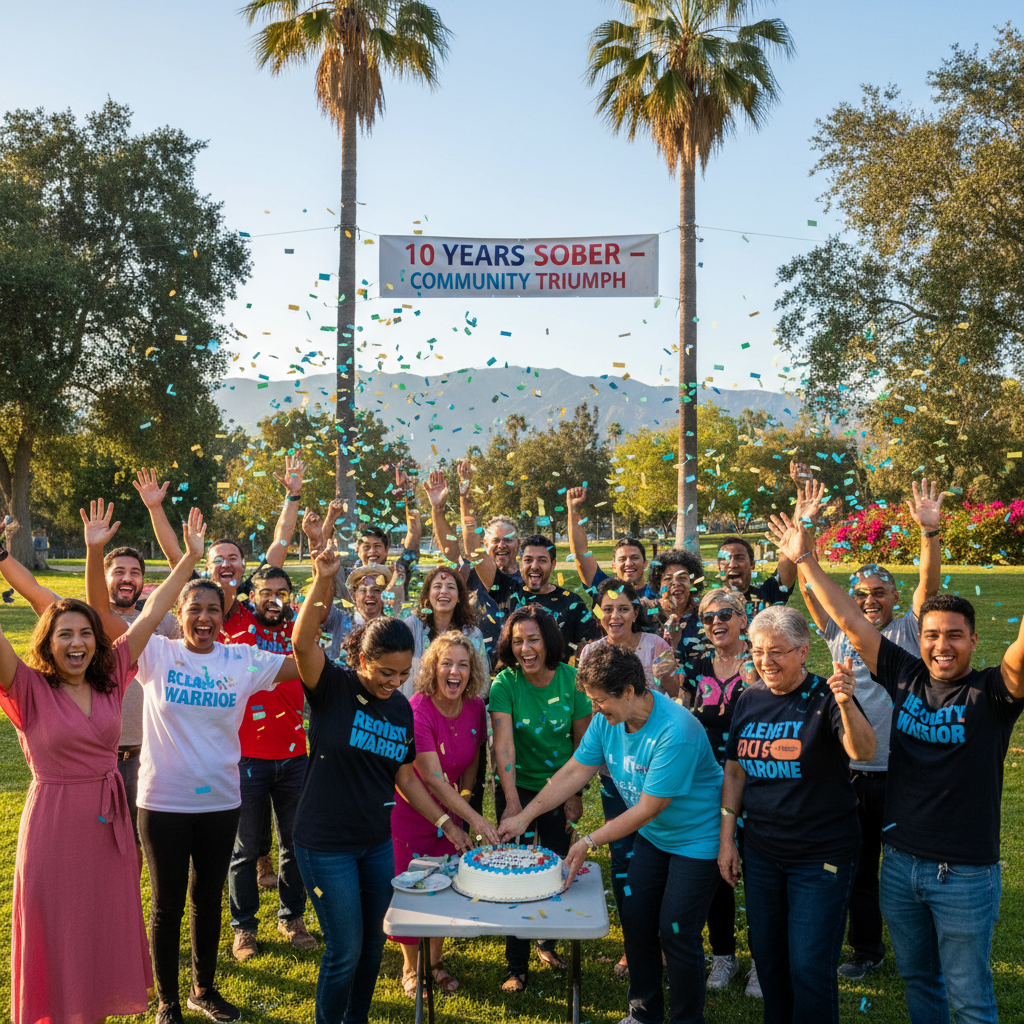
Long-Term Recovery: How Patients Thrive Years After Opioid Addiction
When someone is in the depths of opioid addiction, the concept of a flourishing future can seem not just distant but literally inconceivable. Addiction narrows the mind's ability to envision possibility. But across decades of addiction medicine — and across millions of recovery stories — one theme emerges powerfully: people who achieve long-term recovery from opioid addiction don't just survive. Many of them thrive.
At Pink Chances Med Corp, we've watched patients transform from crisis to stability to genuine flourishing. Here's what that long-term thriving typically looks like.
What Changes in Long-Term Recovery
The Brain Heals
Neuroplasticity — the brain's lifelong ability to change and adapt — means that the damage opioid addiction does to brain circuits can, to a significant degree, reverse over time. People in long-term recovery commonly report:
- Return of natural pleasure in everyday activities
- Improved cognitive function, memory, and concentration
- Stable, positive mood as the default state
- Dramatically reduced craving frequency and intensity
- Better impulse control and decision-making
- Improved emotional regulation
Relationships Are Restored and Rebuilt
Some of the most profound transformations in long-term recovery involve relationships. Marriages repaired. Estranged parents and children reconciled. New friendships formed with people who know the sober self. Many people in long-term recovery describe these relationship restorations as among the greatest gifts of their recovery journey.
Professional and Financial Stability
Active opioid addiction is economically devastating. Long-term recovery, by contrast, is often associated with significant professional and financial rebuilding:
- Return to or advancement in careers
- Education and professional development pursued and completed
- Financial debts addressed and resolved
- Housing stability established
- Financial security built for the first time
Physical Health Reclaimed
The physical health improvements that come with sustained recovery — better sleep, better nutrition, regular exercise, freedom from the toxic effects of opioids — translate into genuine physical vitality. Many people in long-term recovery describe feeling physically better than they did even before their addiction began.
The Unexpected Gifts of Recovery
Perhaps the most striking theme in long-term recovery accounts is the unexpected gifts that emerge from the recovery journey itself:
- Depth of empathy: Having experienced the depths of human suffering, many people in recovery develop extraordinary capacity for empathy and compassion
- Clarity of values: Recovery forces a confrontation with what truly matters, creating unusual clarity about priorities and values
- Authenticity: The pretense of active addiction gives way to a deep capacity for authentic, honest connection
- Perspective: People who have faced and overcome addiction bring a perspective on life that those who've never been tested rarely access
- Purpose in helping others: Many people in long-term recovery find profound meaning in supporting others who are where they once were
Factors That Support Long-Term Thriving
Research on long-term recovery identifies consistent factors that support flourishing:
- Continued connection to recovery community
- Meaningful work and purpose
- Strong, authentic relationships
- Ongoing attention to mental health
- Physical wellness and self-care practices
- Continued engagement with recovery principles in daily life
- Willingness to ask for help when struggling
- Appropriate continuation of MAT as long as medically beneficial
Frequently Asked Questions About Long-Term Recovery
When does early recovery end and long-term recovery begin?
Definitions vary, but many clinicians and recovery advocates use the 2-5 year mark as when recovery can be considered established. By 5 years of sustained recovery, relapse risk has dropped dramatically and the brain has undergone significant healing.
Can I ever stop thinking of myself as "an addict" in long-term recovery?
This is a personal choice. Many people find power and authenticity in maintaining their recovery identity, particularly as it connects them to the recovery community and to the work of helping others. Others prefer to define themselves by their present life rather than their past. Both approaches can support successful long-term recovery.
Begin the Journey Toward Long-Term Thriving Today
Every person in long-term recovery started where you are now — with a first call, a first appointment, a first step. Pink Chances Med Corp is here to support that journey for patients throughout Los Angeles, Tujunga, Glendale, Burbank, North Hollywood, and the San Fernando Valley. Call (888) 821-PINK or contact us today. Your thriving future begins now.